Puppy Pictures

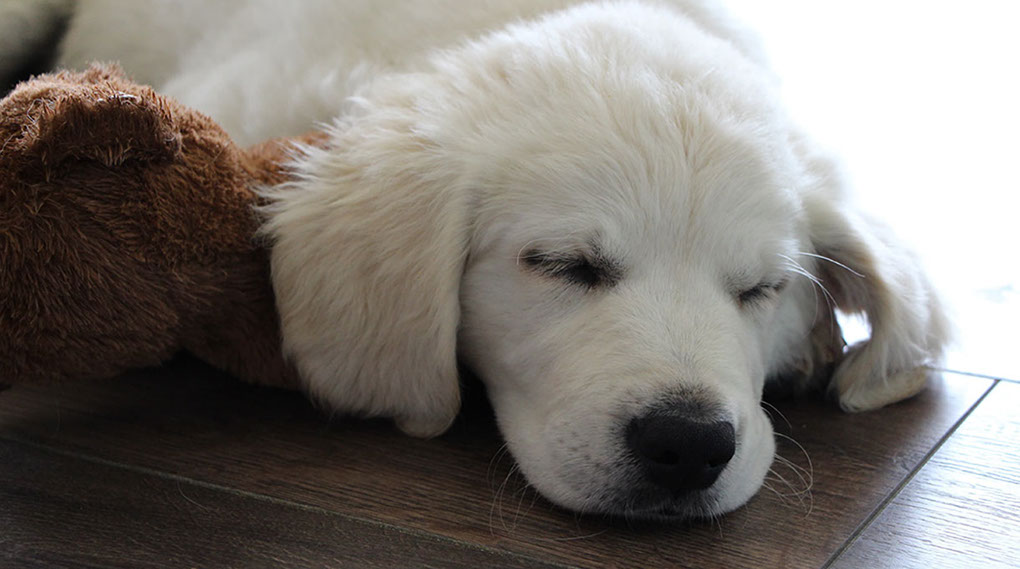
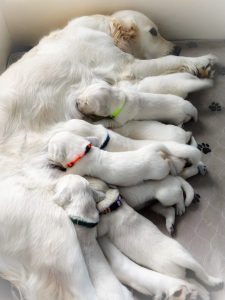
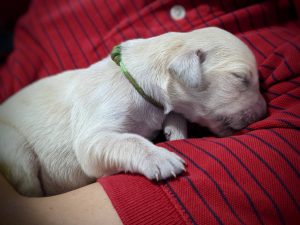
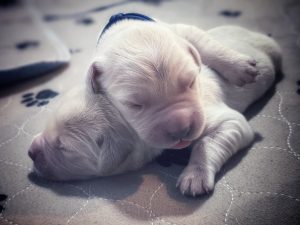
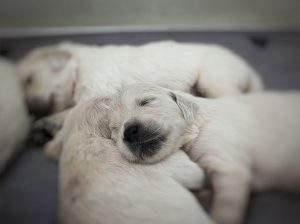
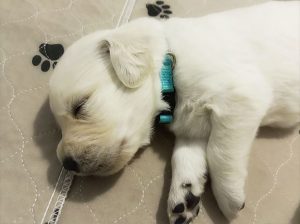
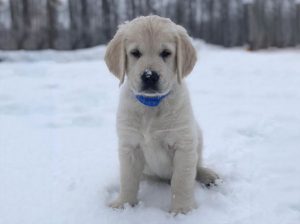
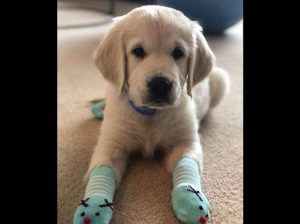
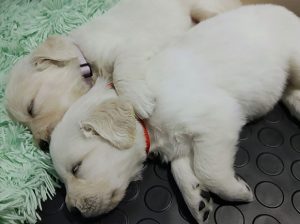
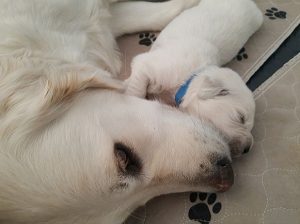
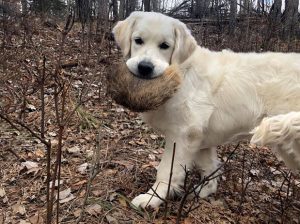
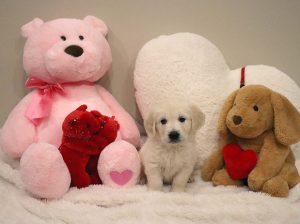
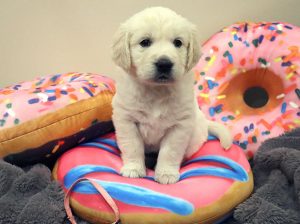
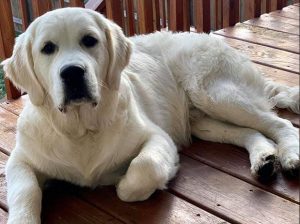
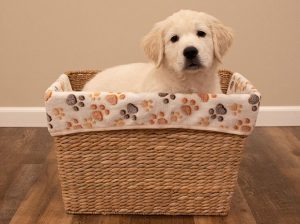
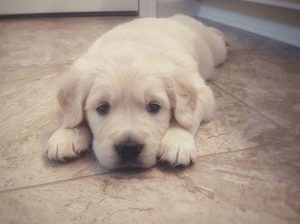
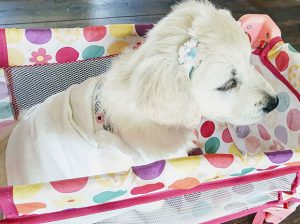
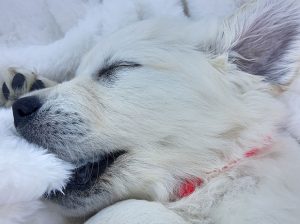
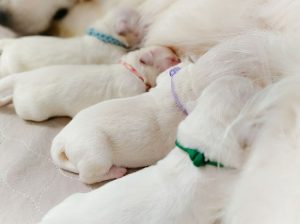
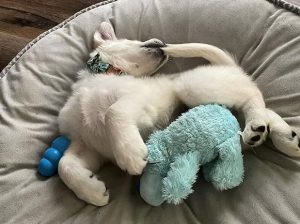
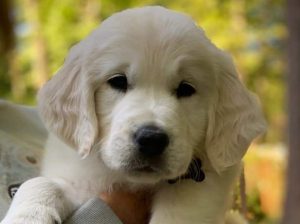
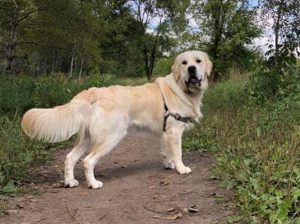
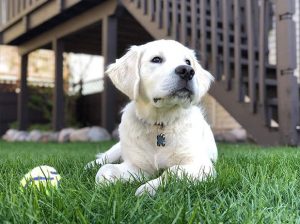
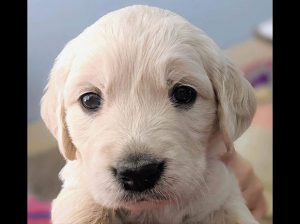
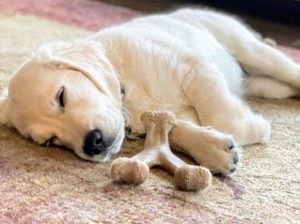
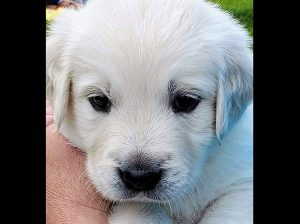
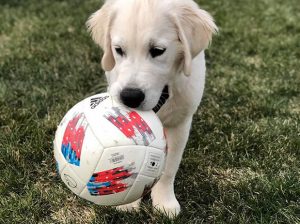
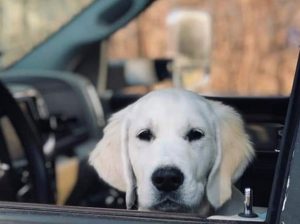
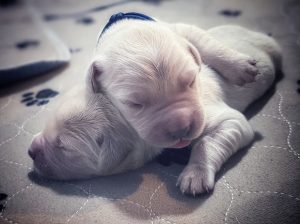
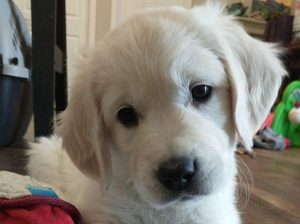
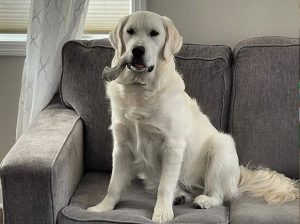
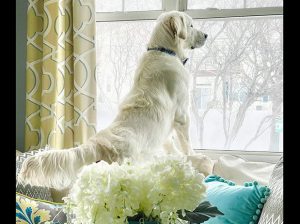
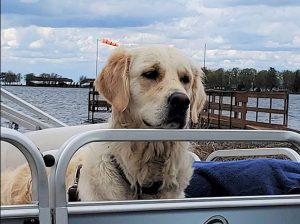
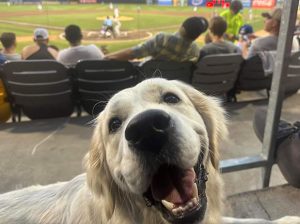
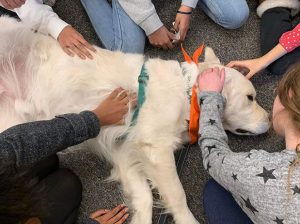
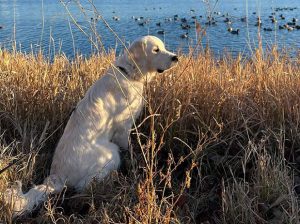
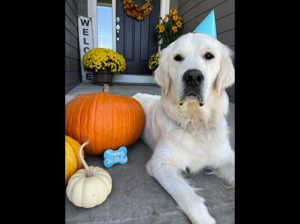
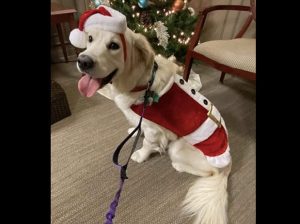
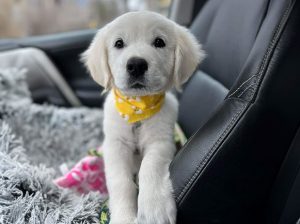
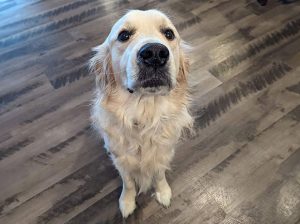
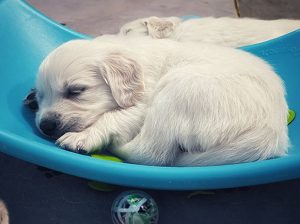
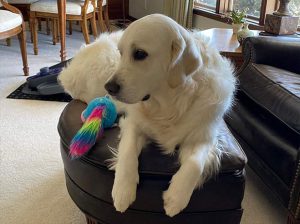
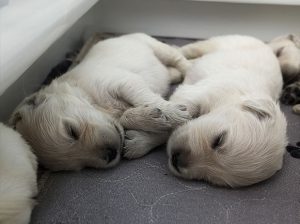
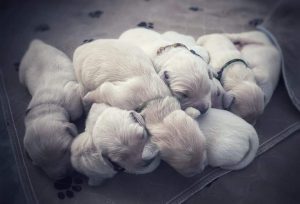
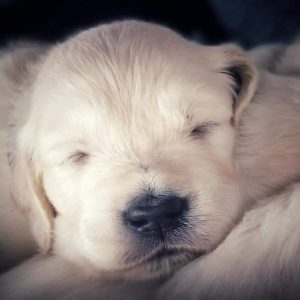
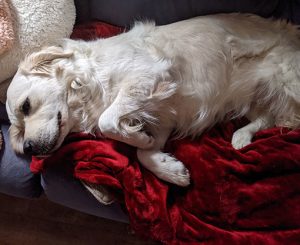
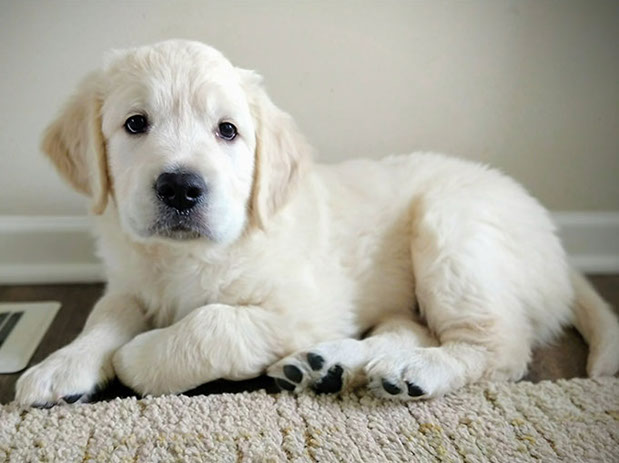
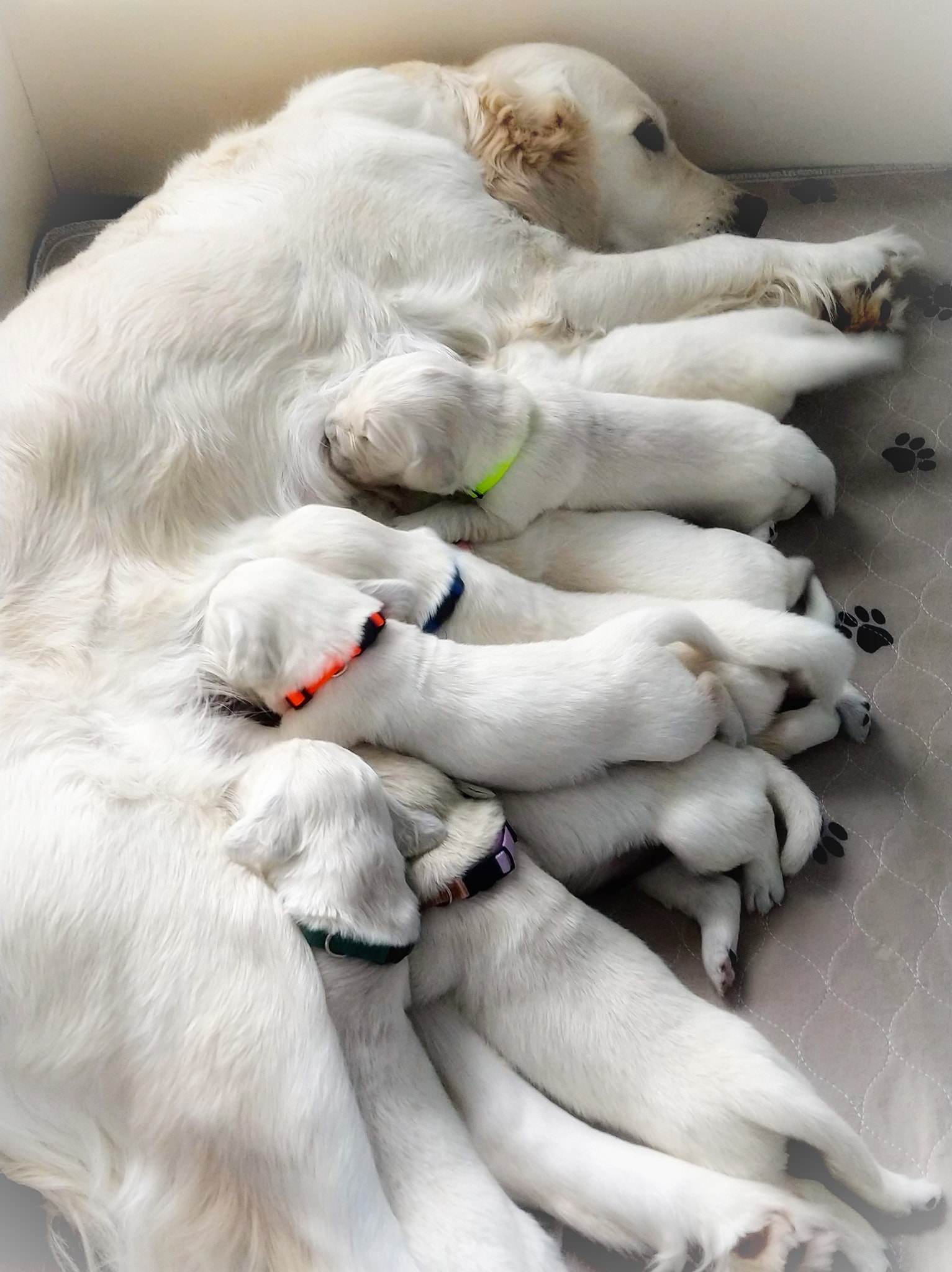
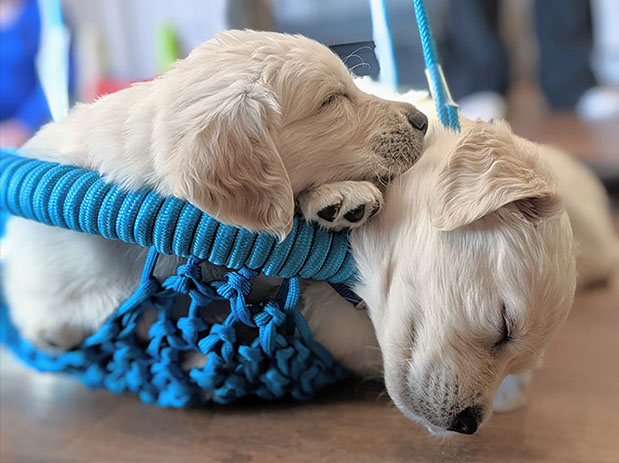
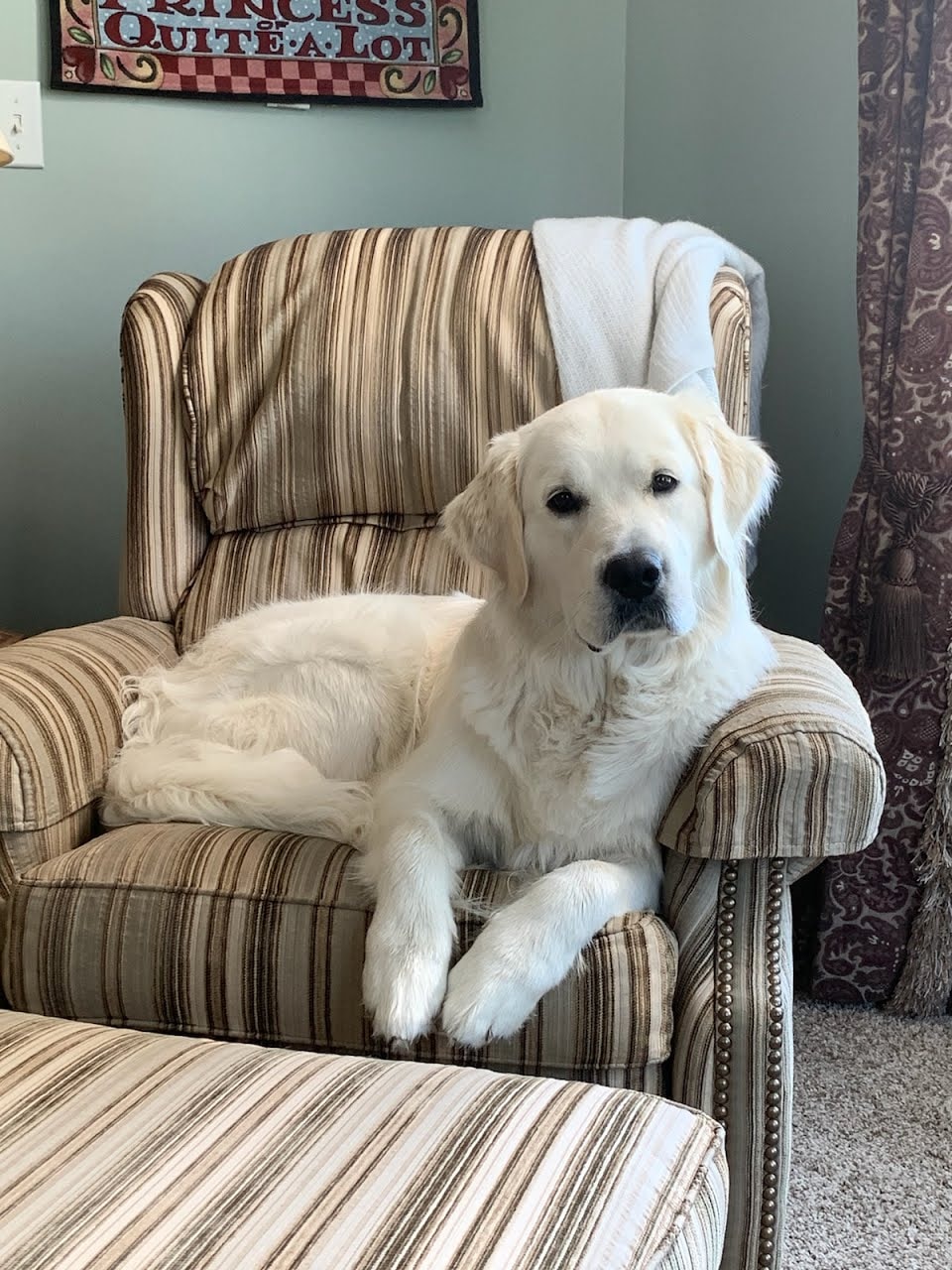
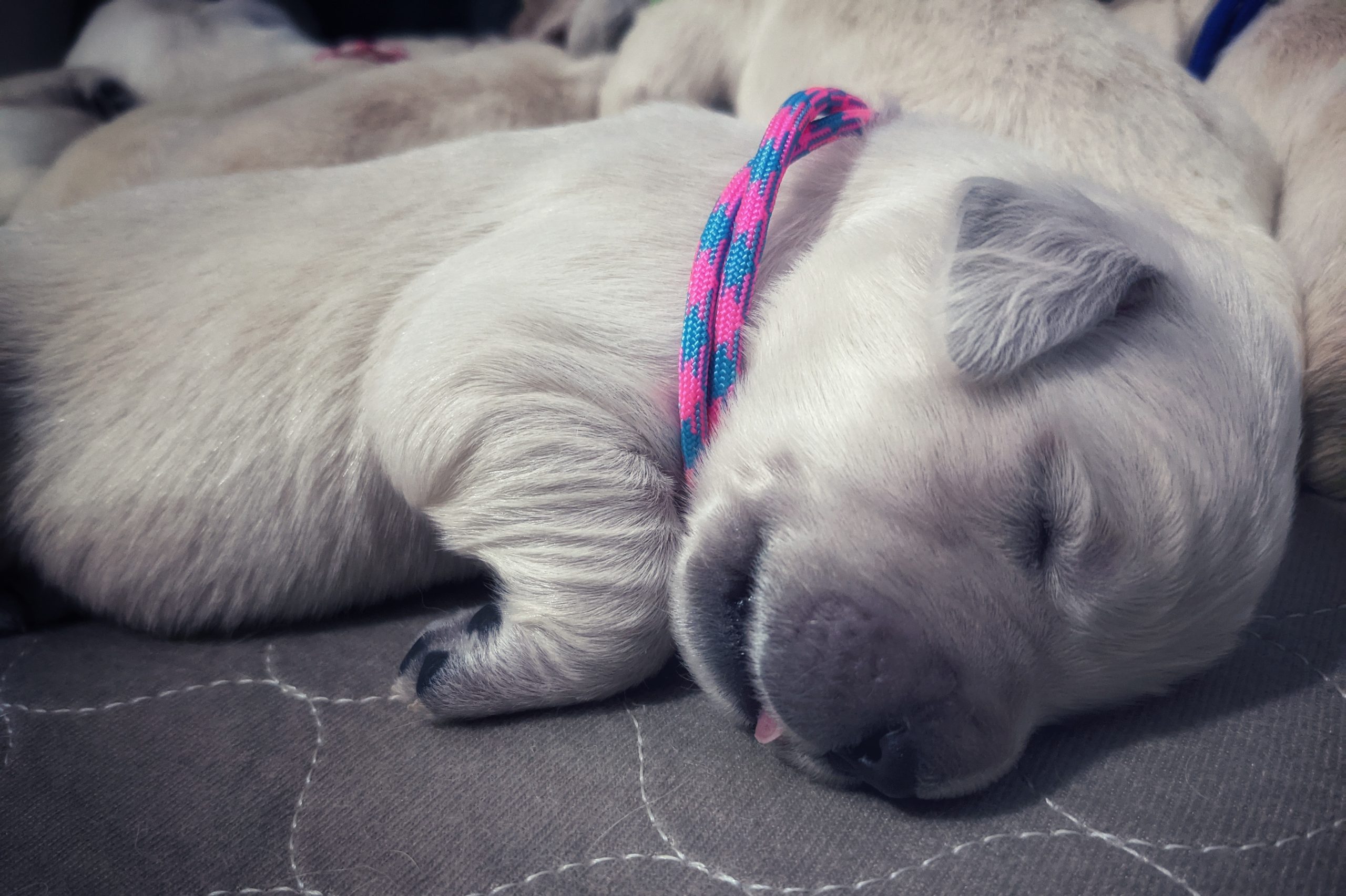
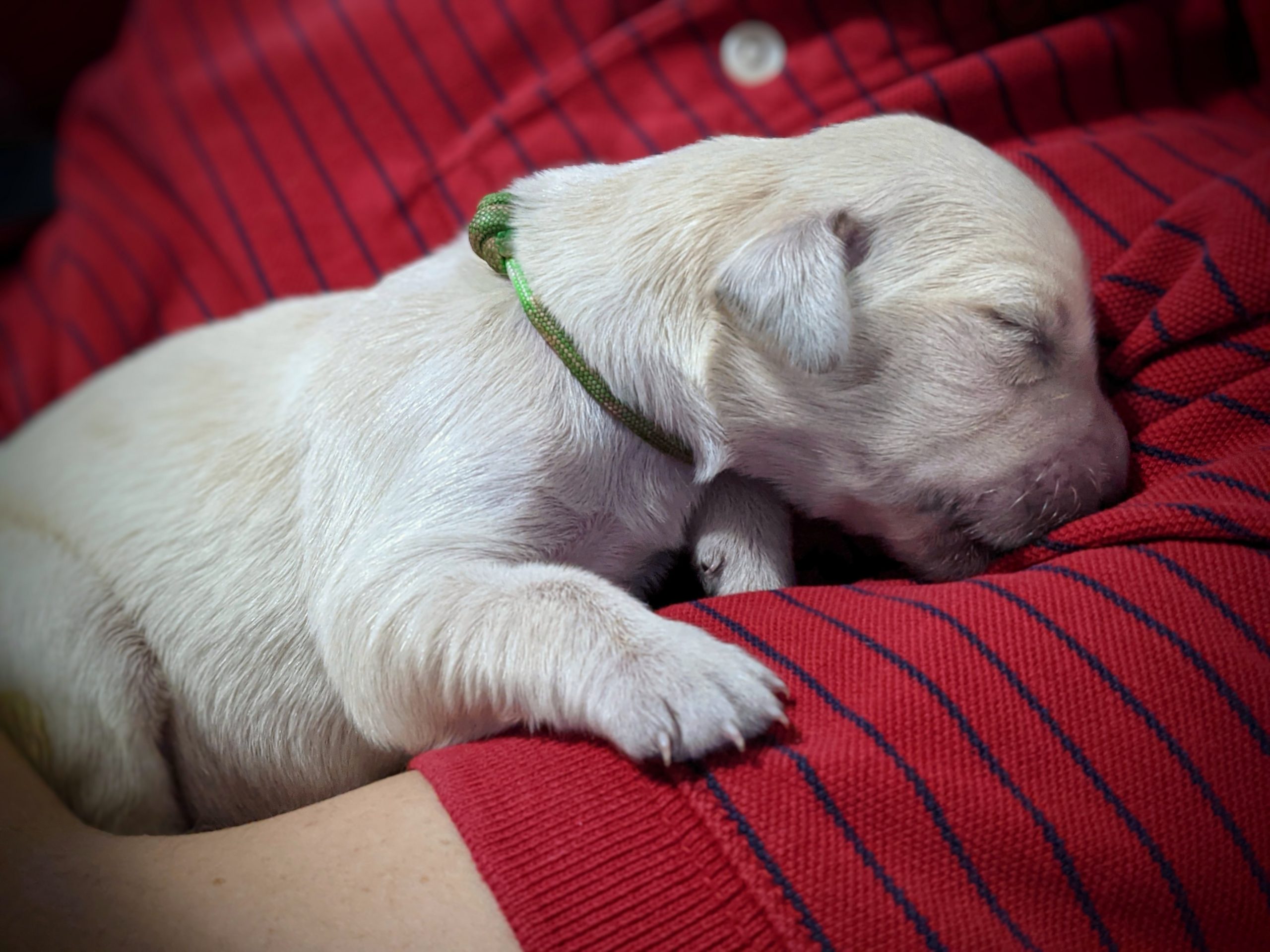
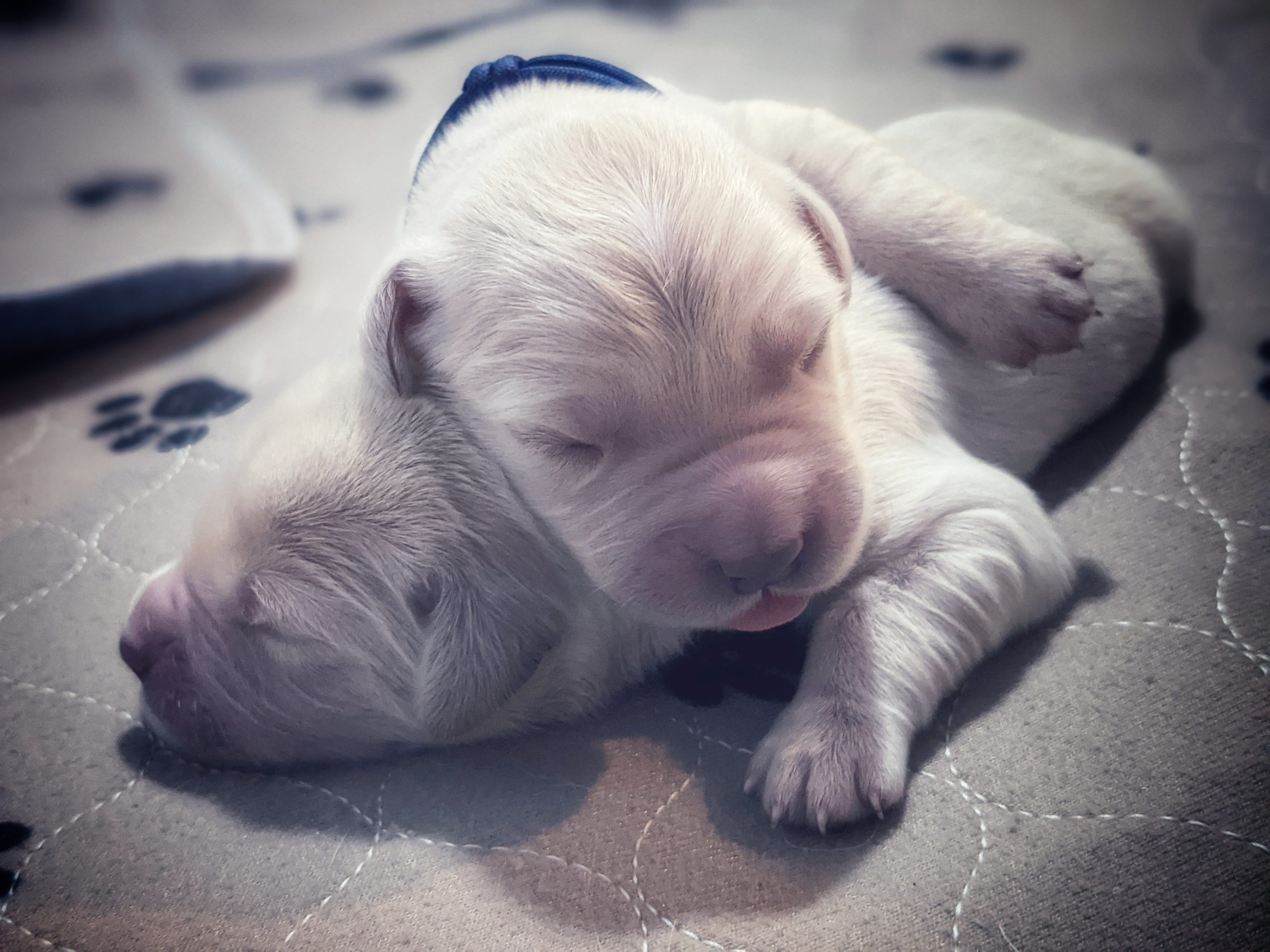
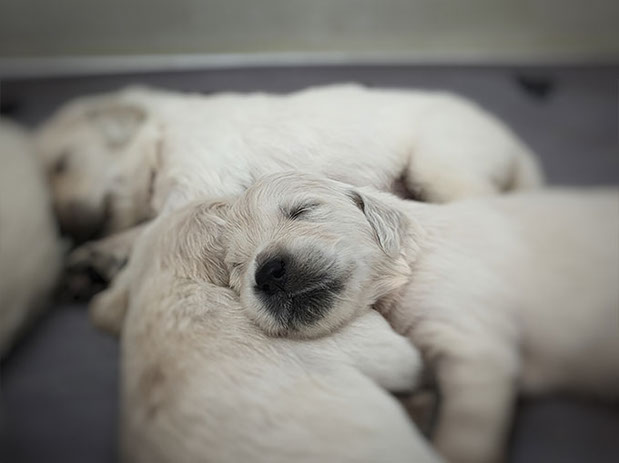
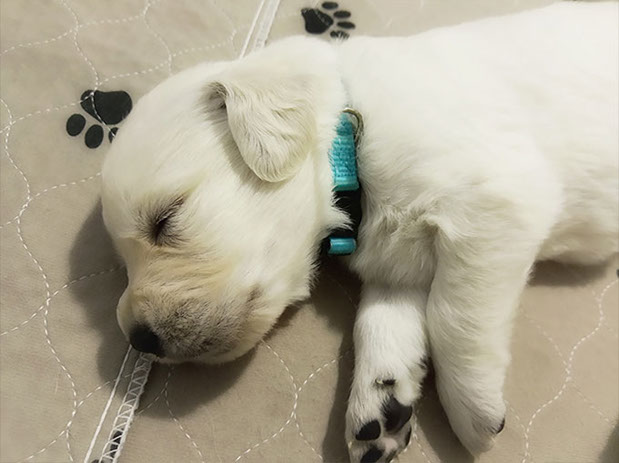
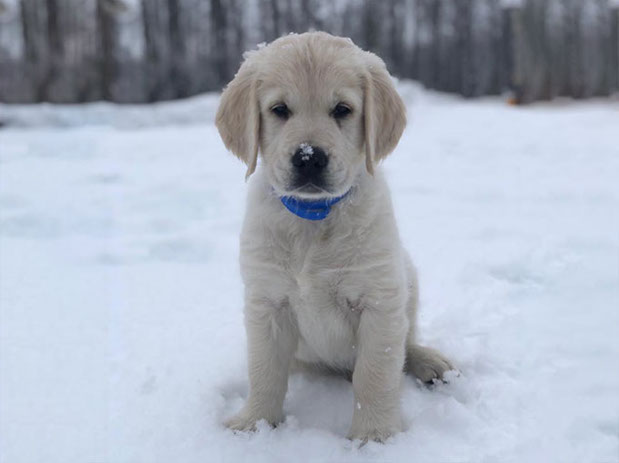
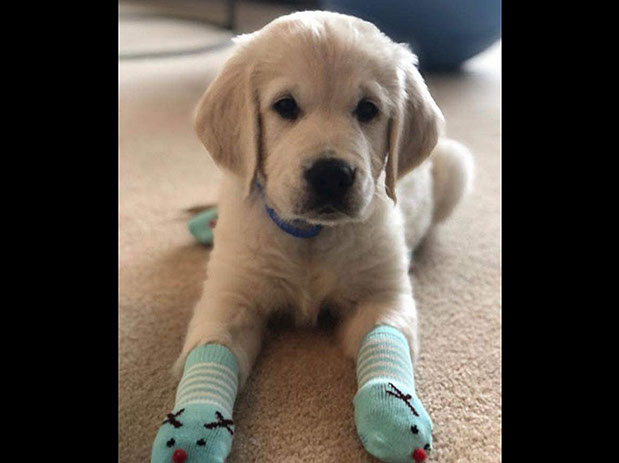
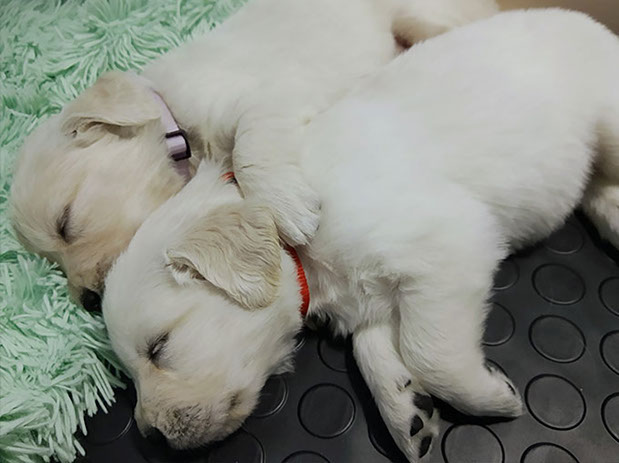
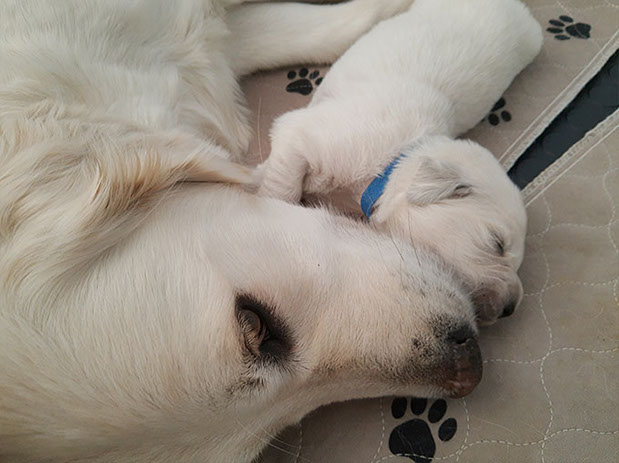
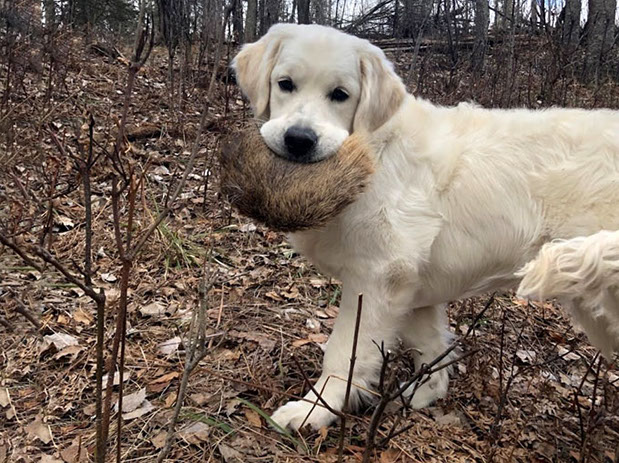
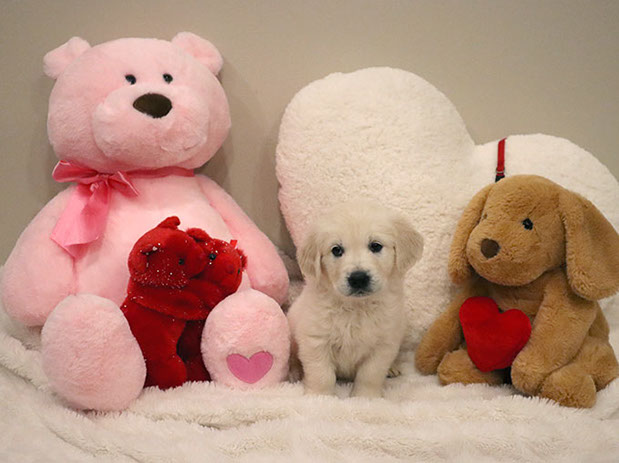
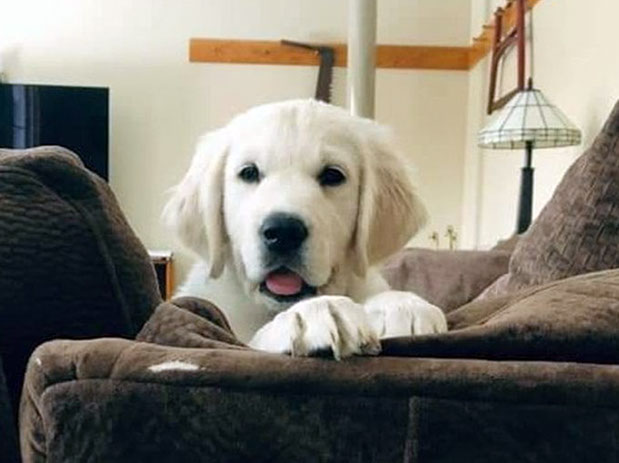
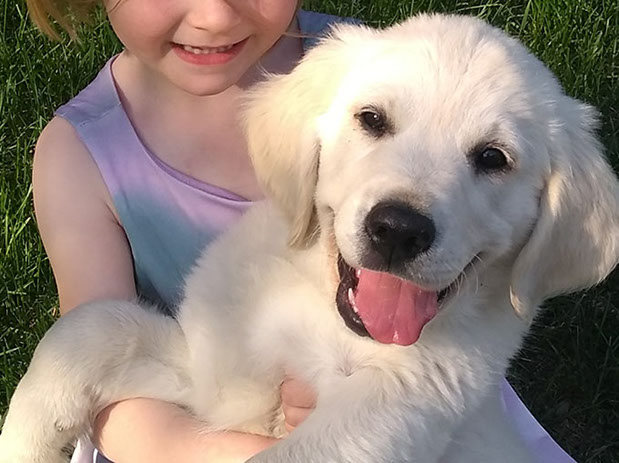
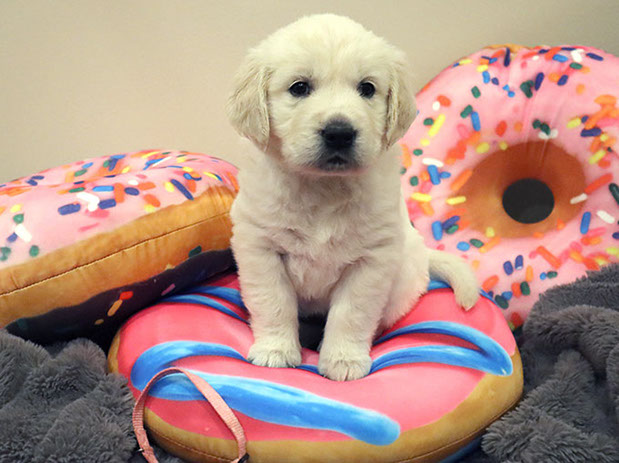
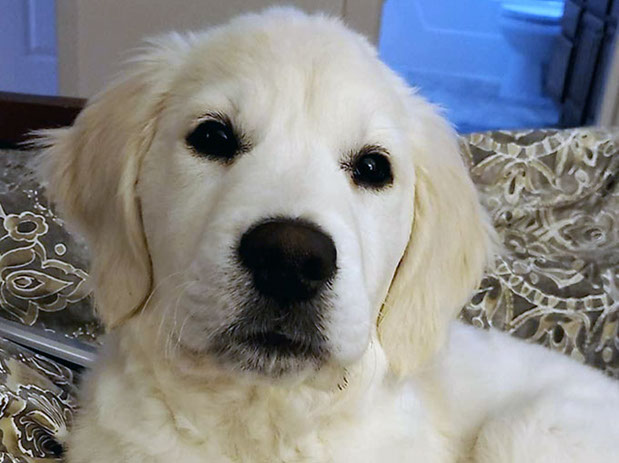
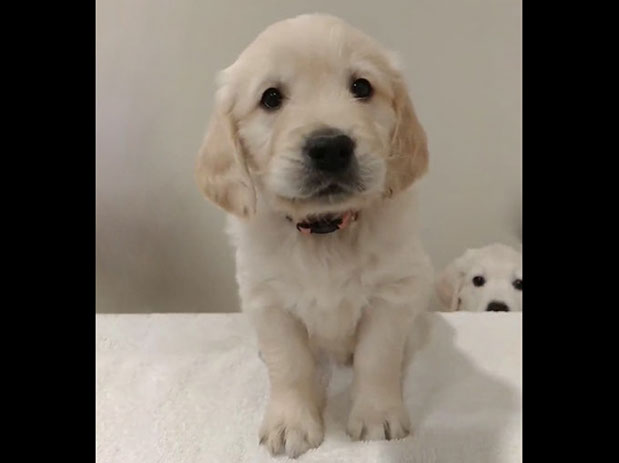
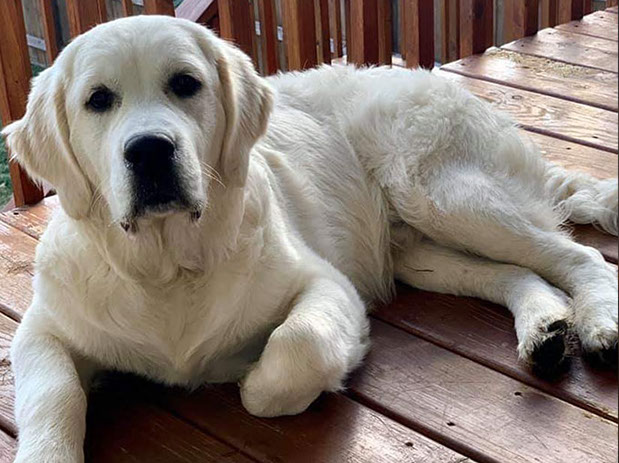
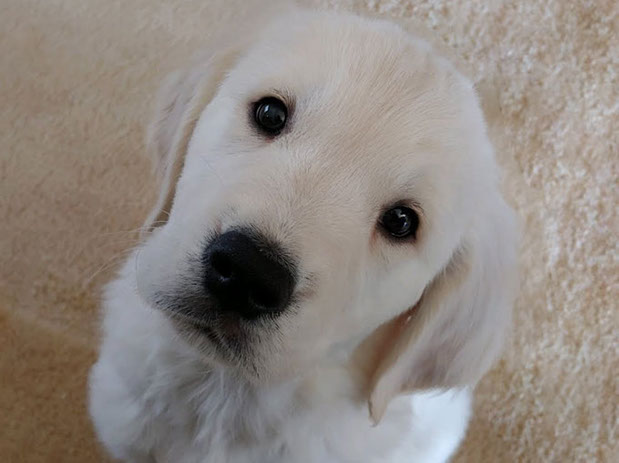
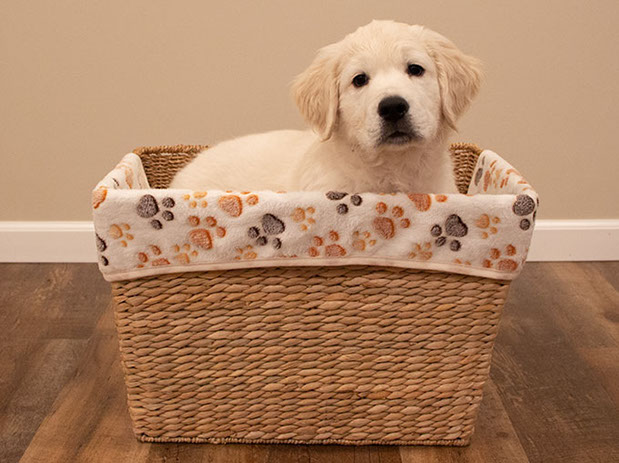
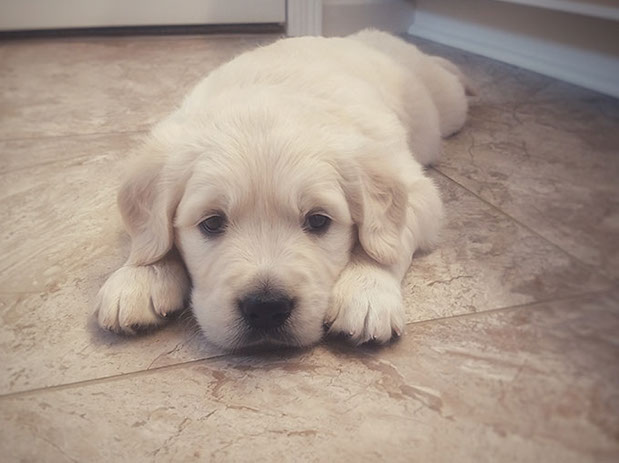
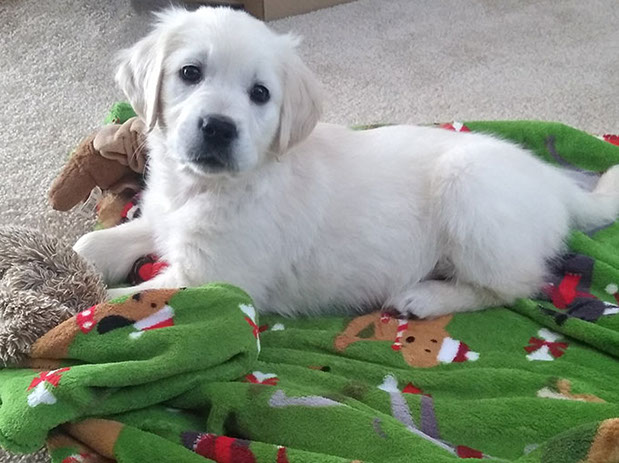
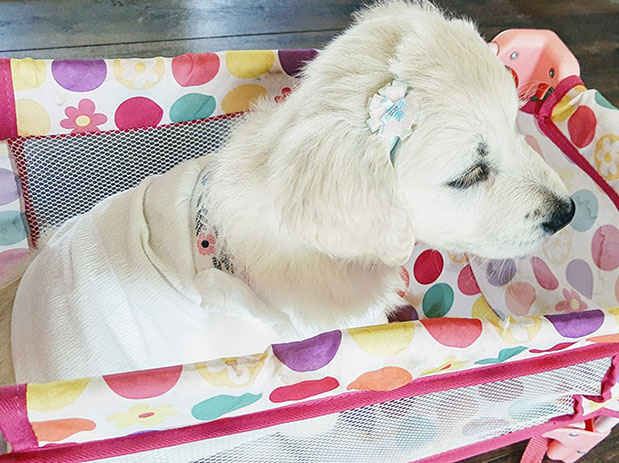
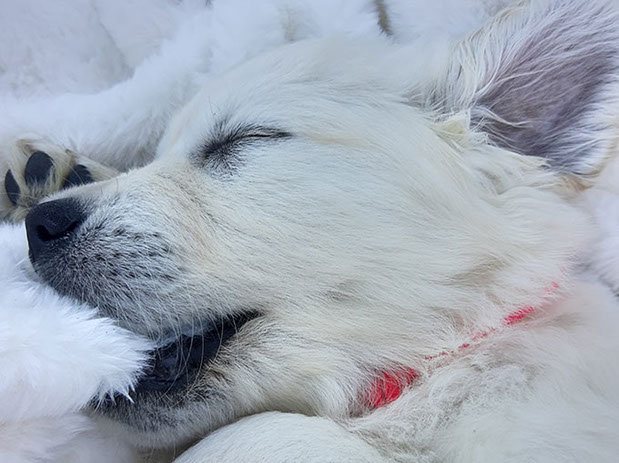
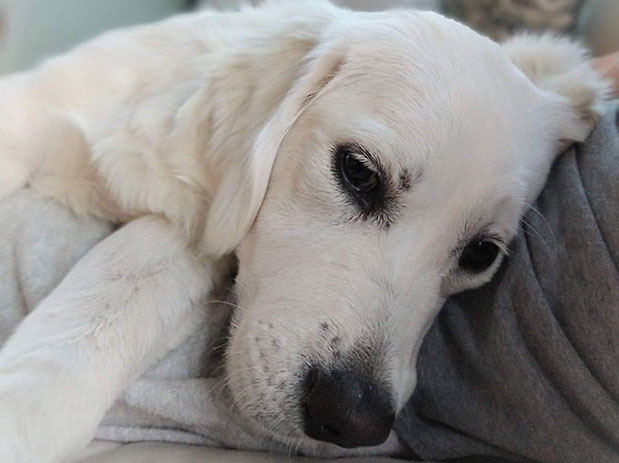
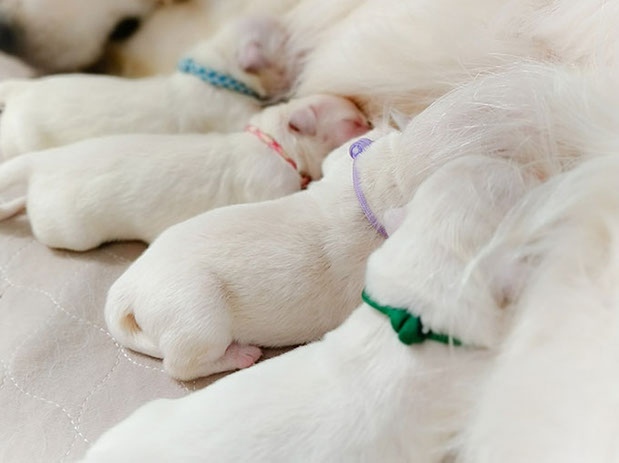
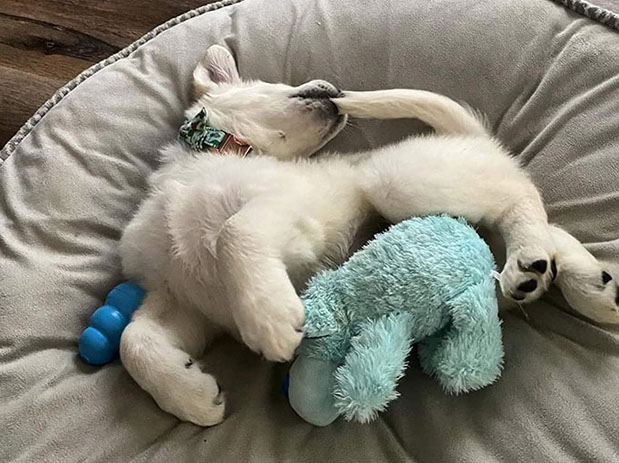
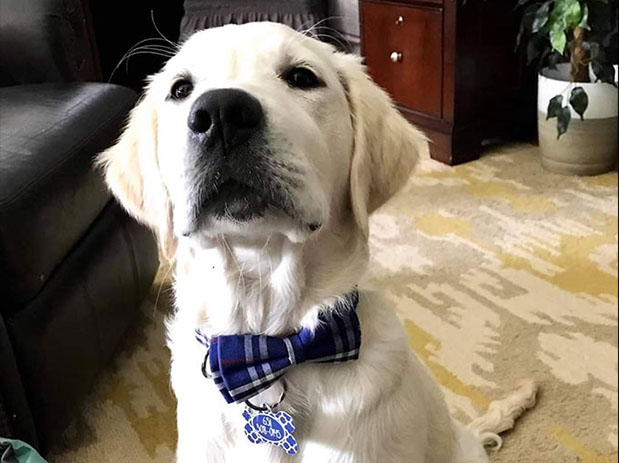
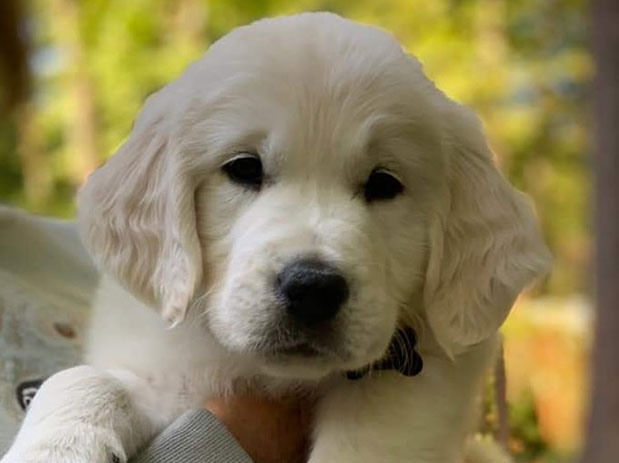
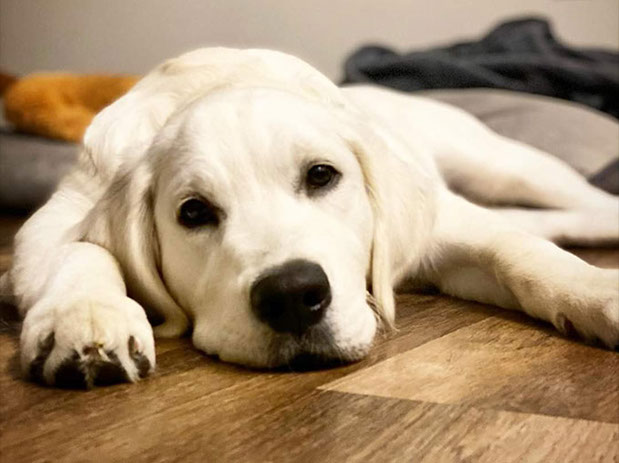
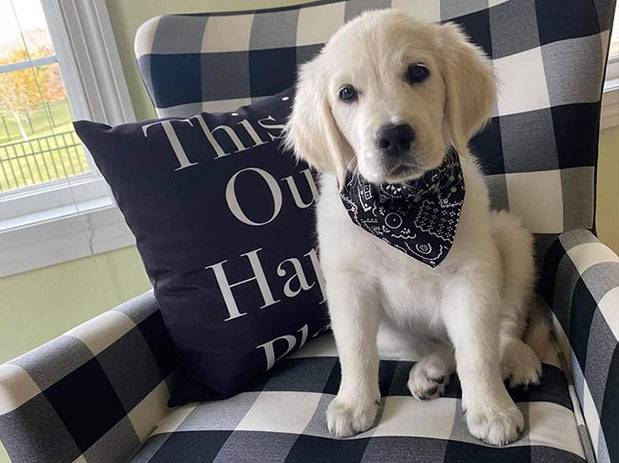
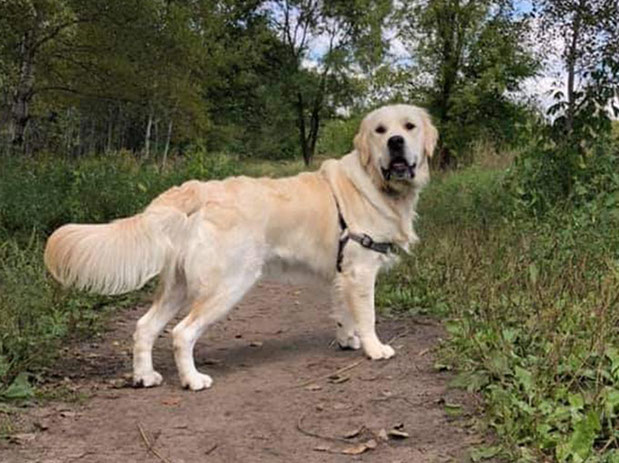
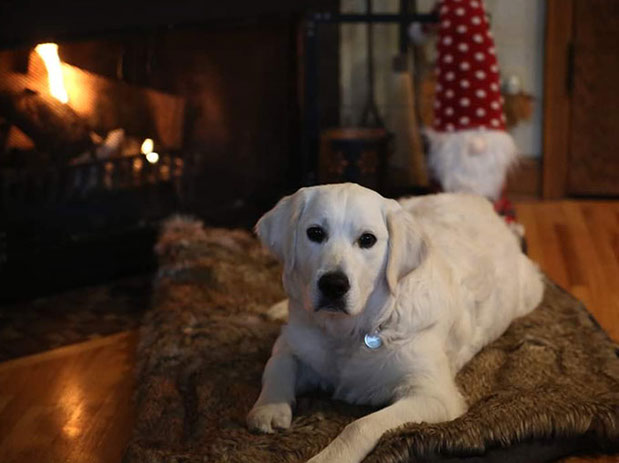
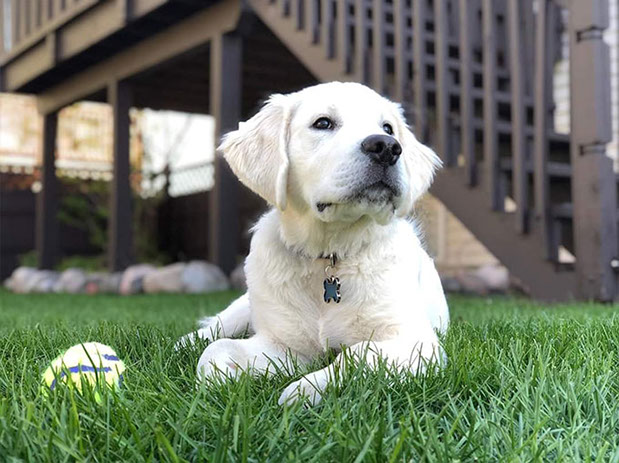
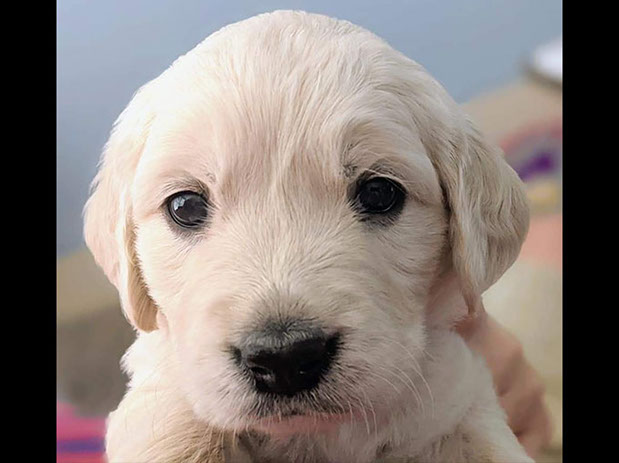
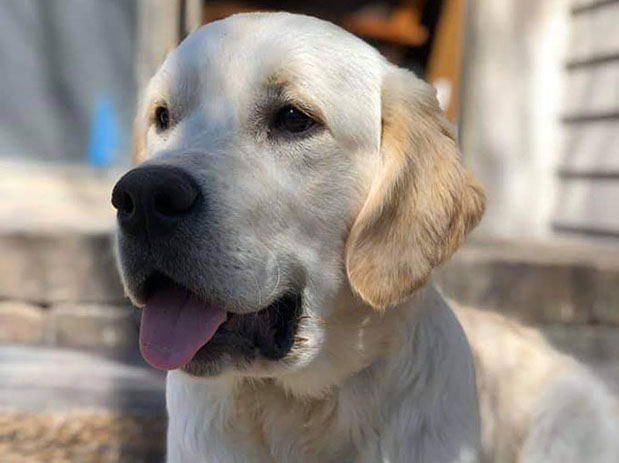
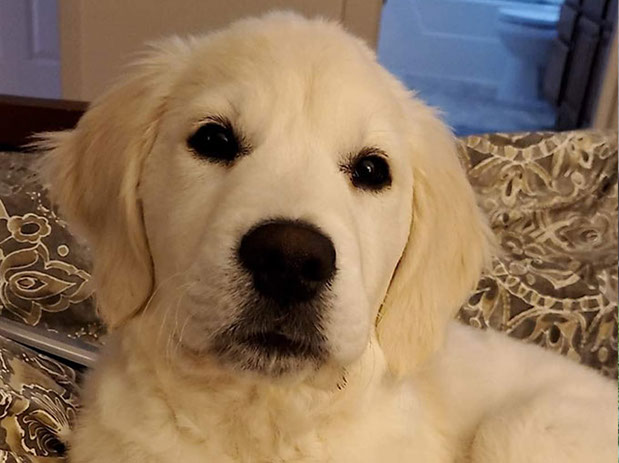
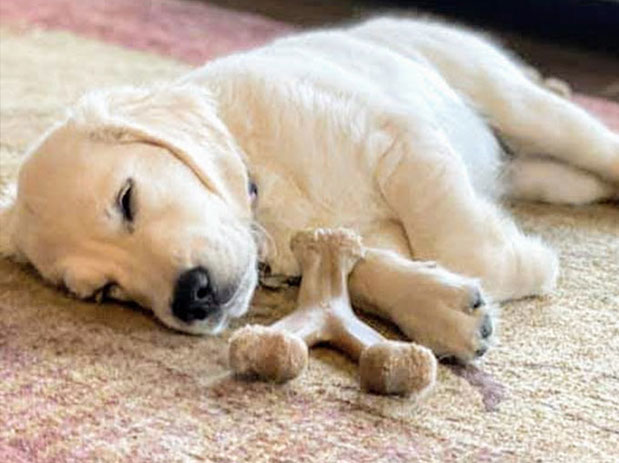
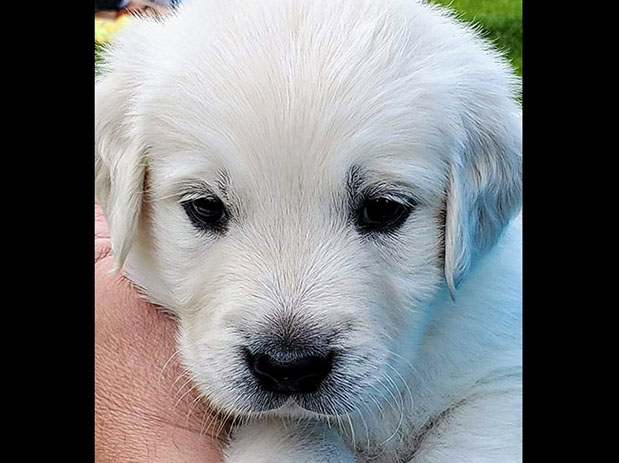
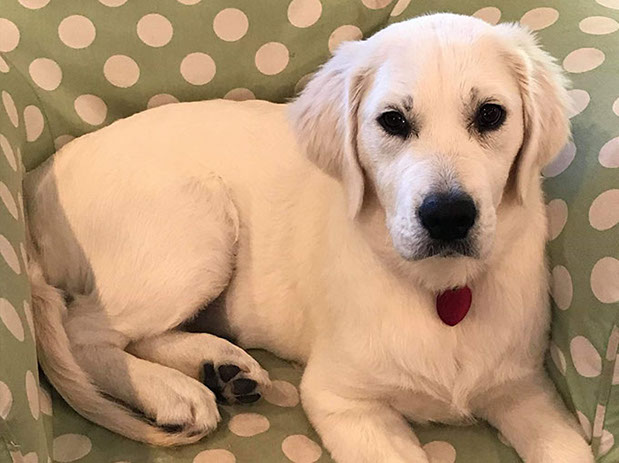
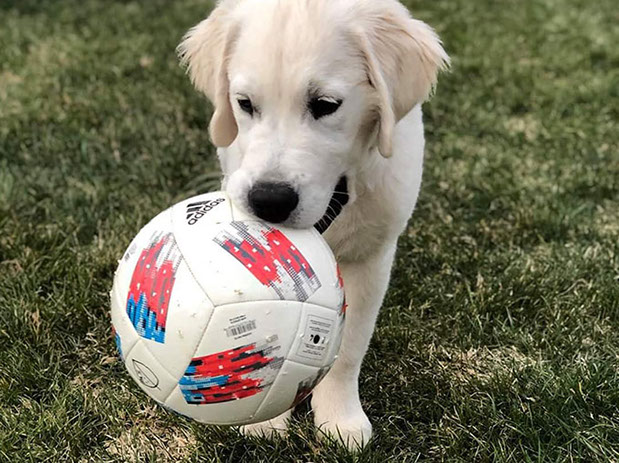
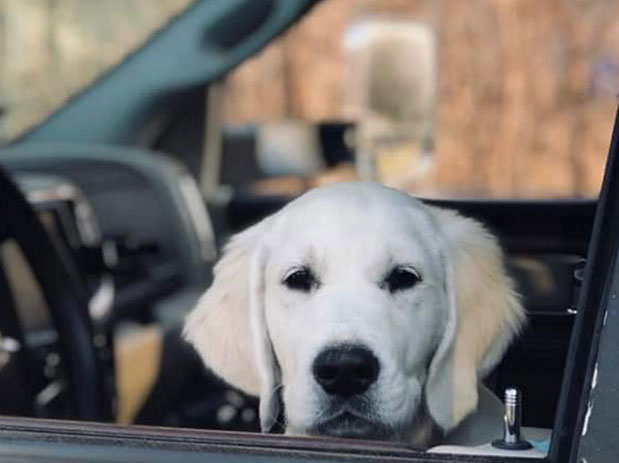
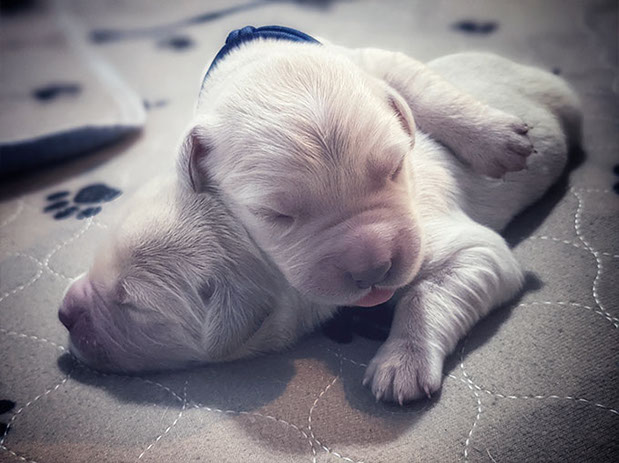
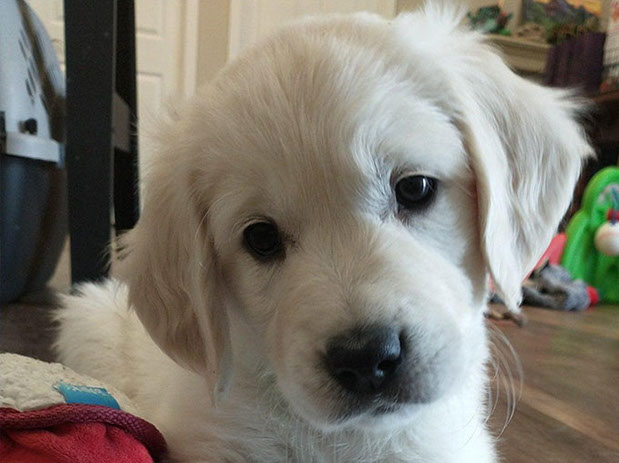
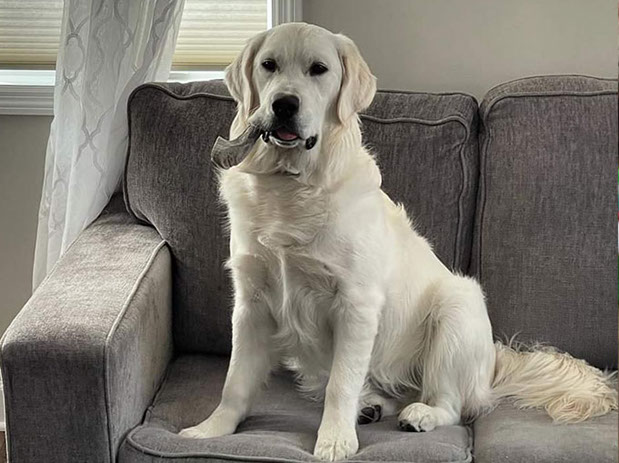
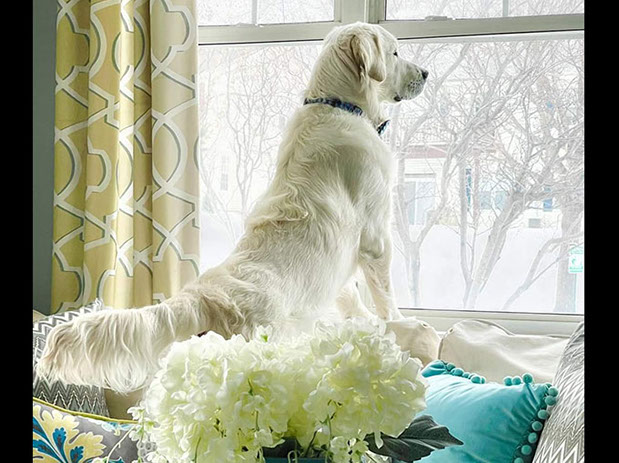
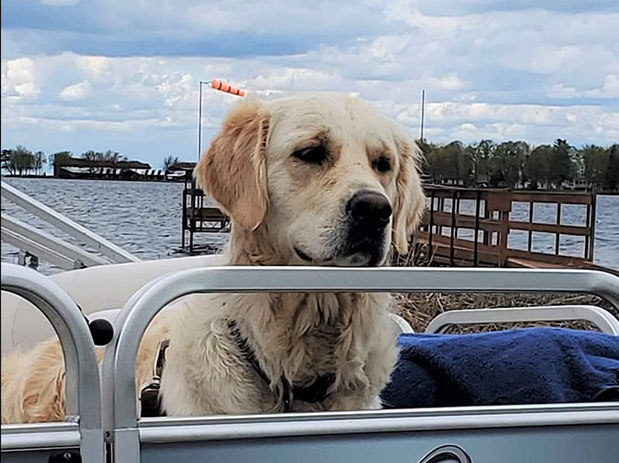
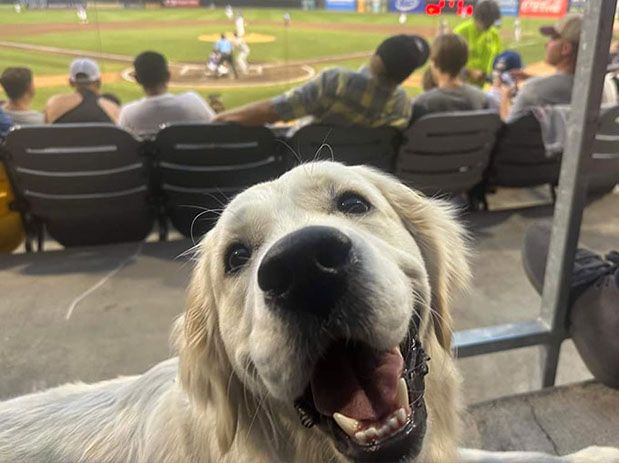
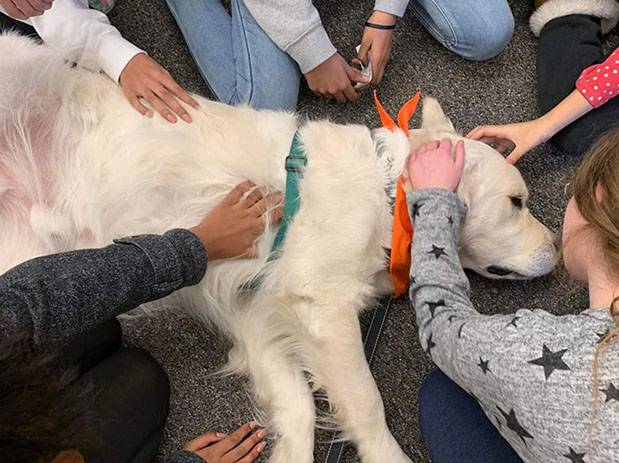
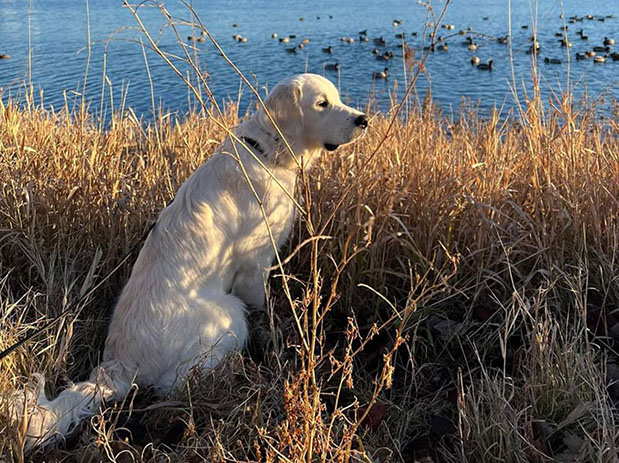
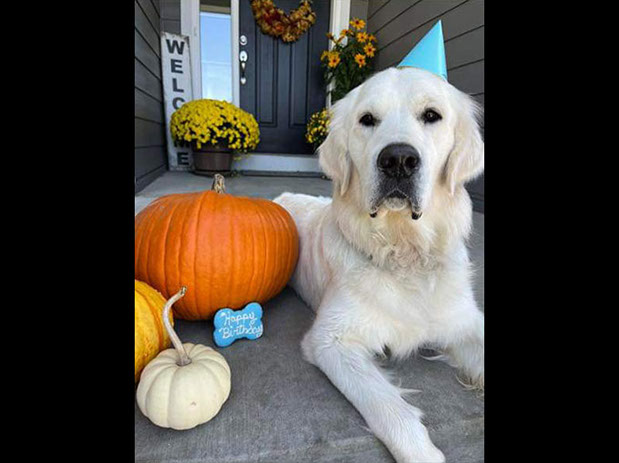
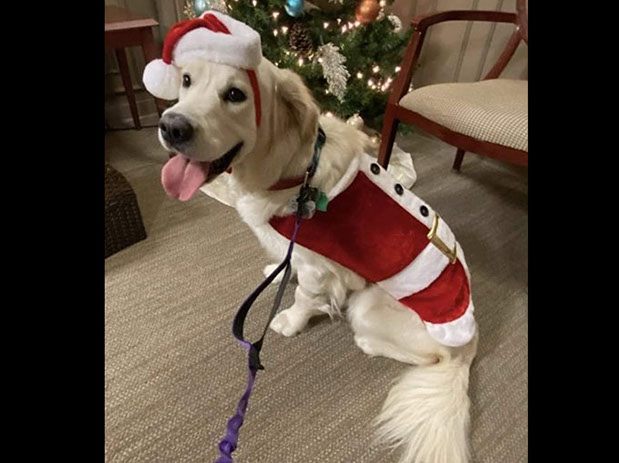
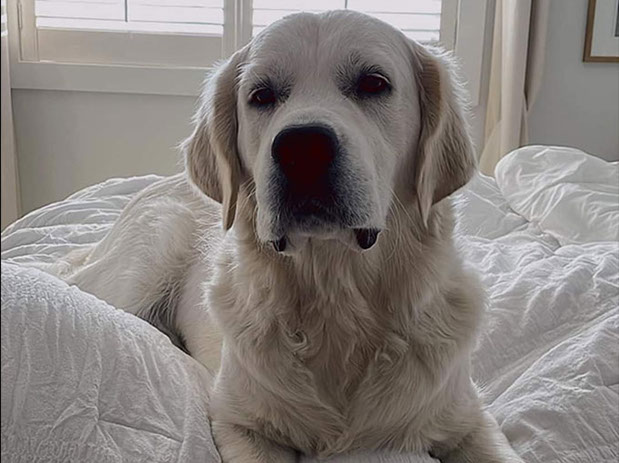
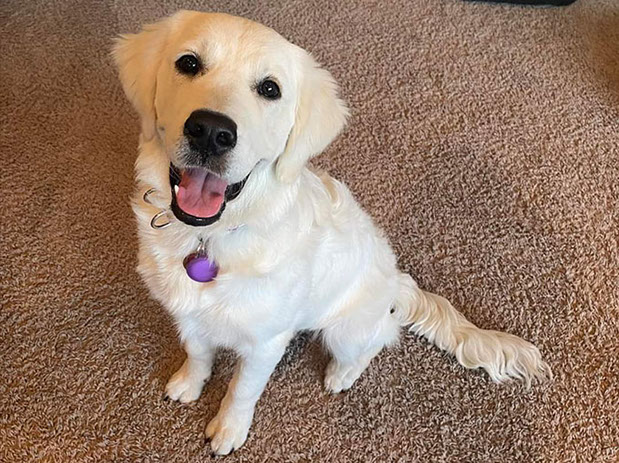
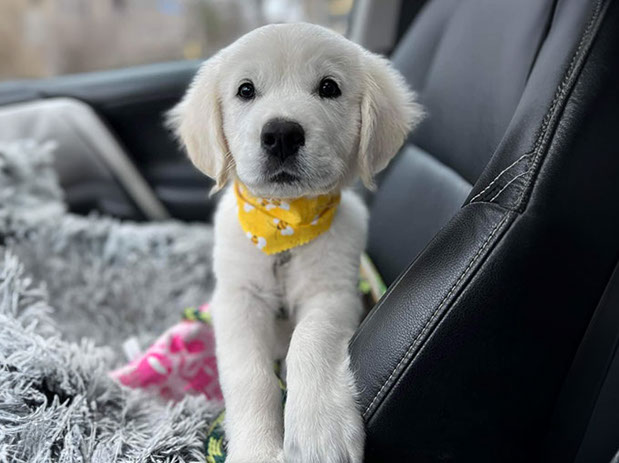
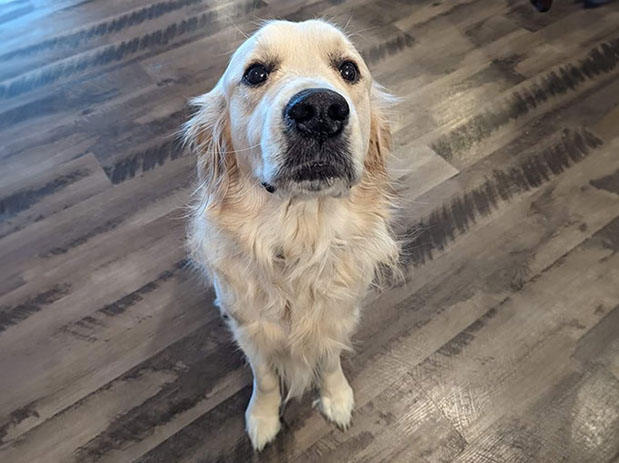
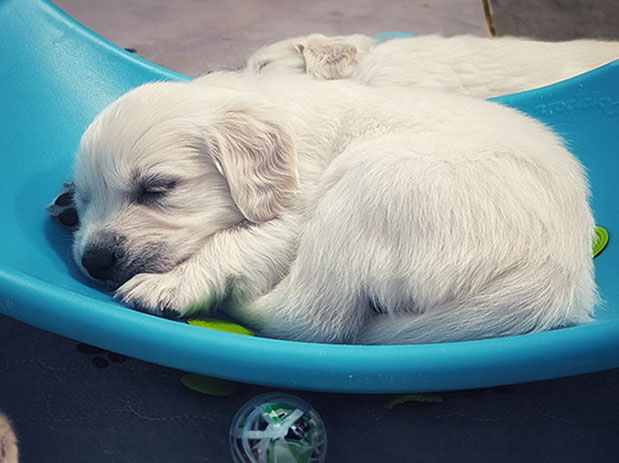
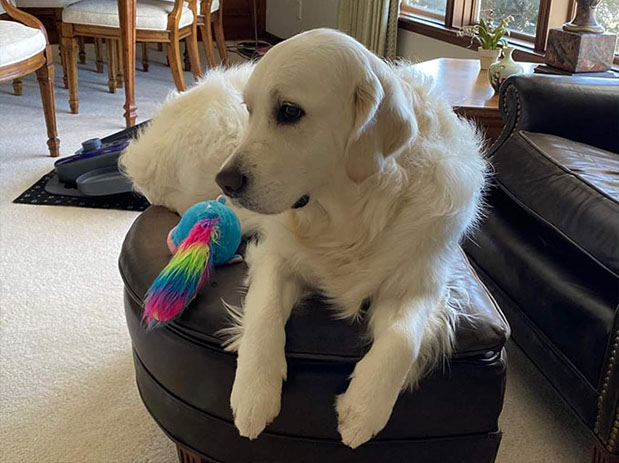
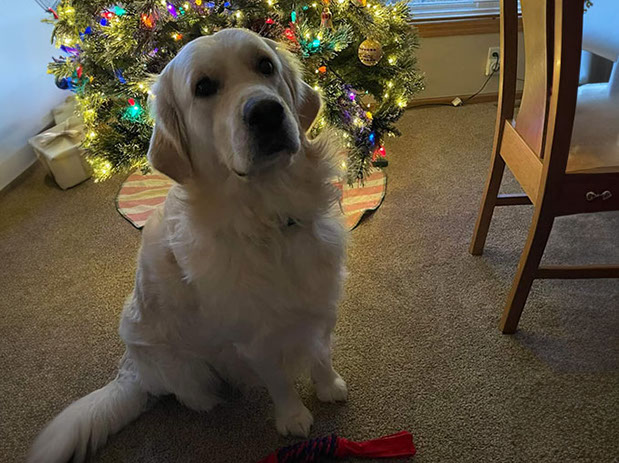
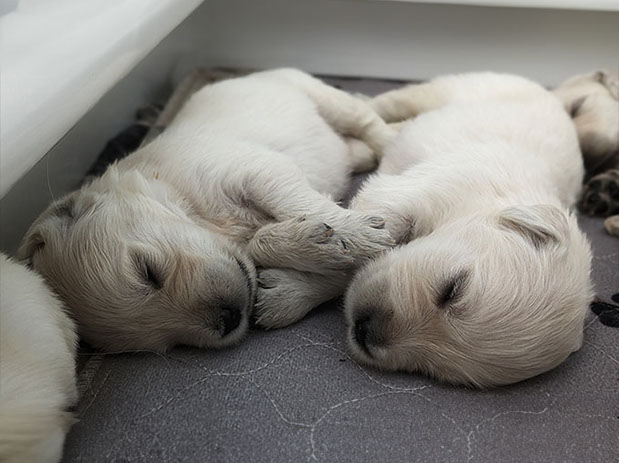
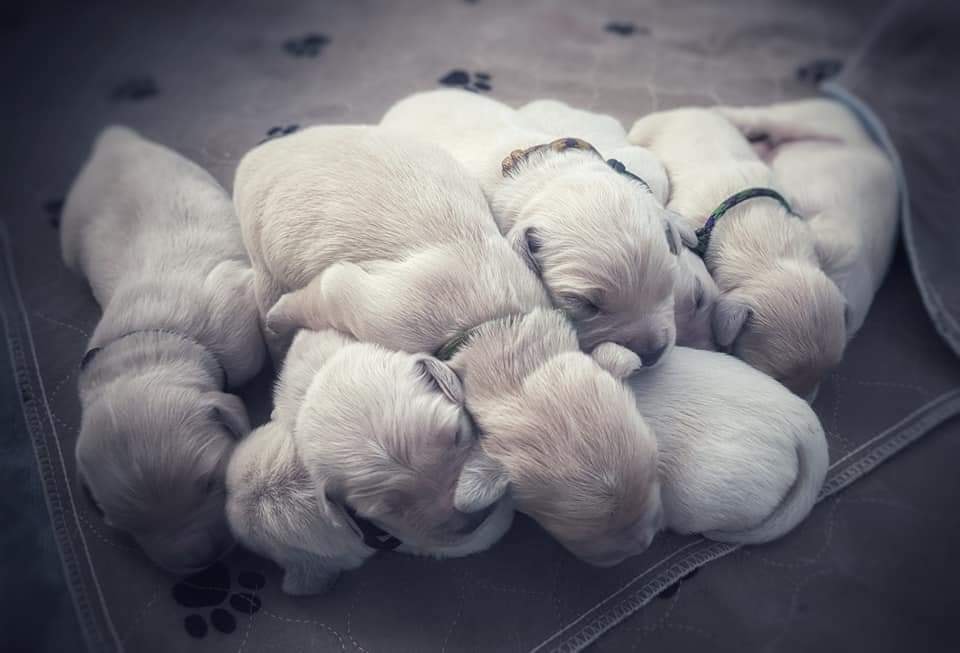
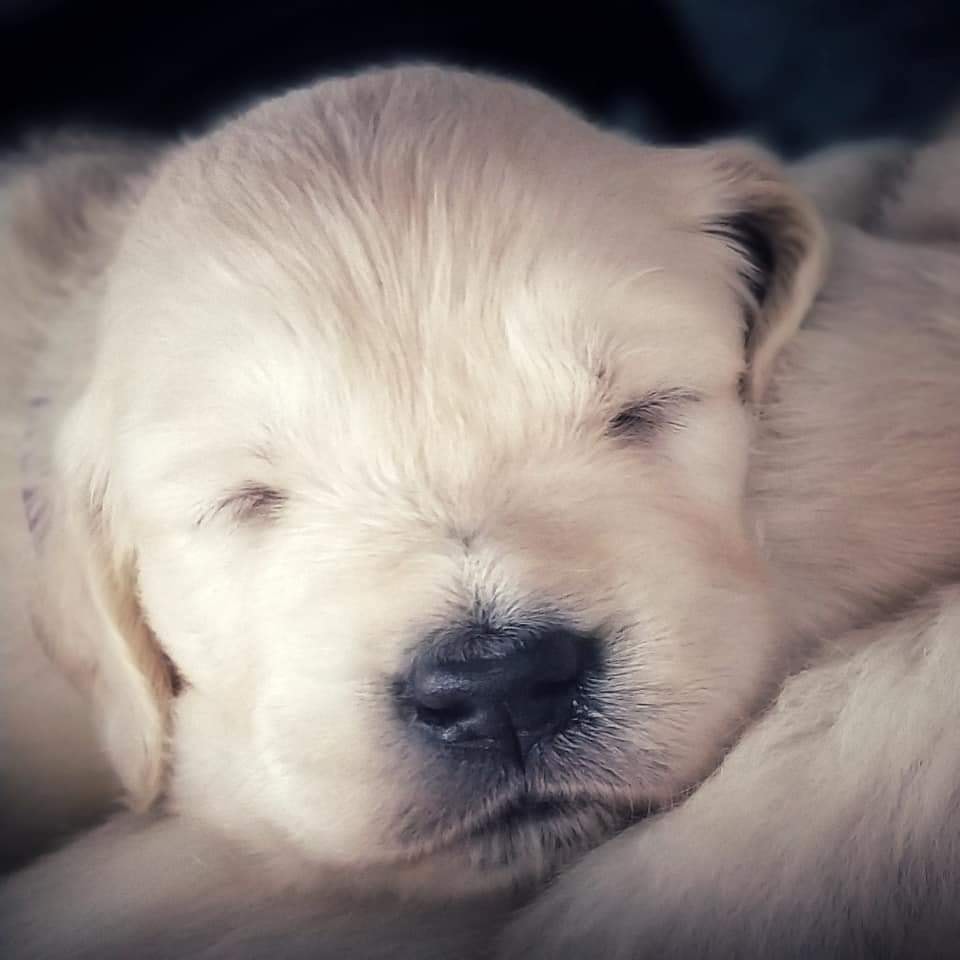
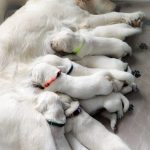
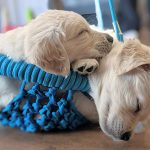
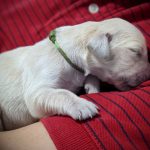
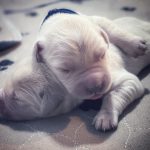
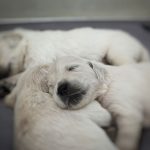
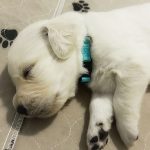
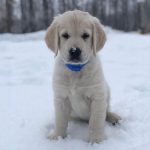
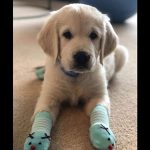
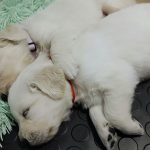
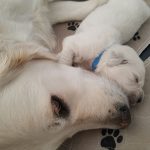
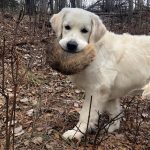
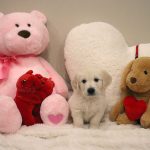
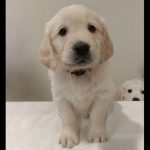
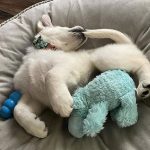
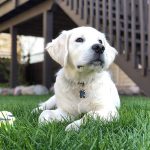
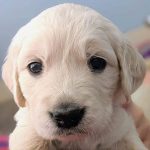
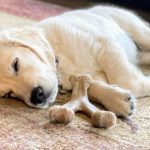
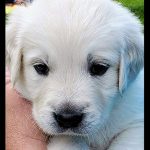
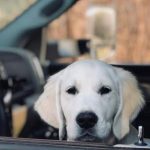
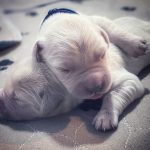
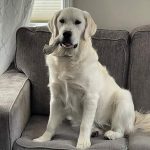
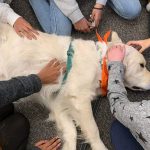
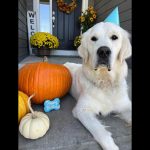
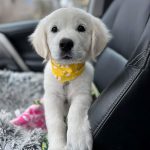
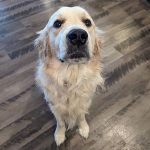
Who doesn’t want to see pictures of cute puppies? Here is a gallery of some of our puppies from over the years. If you take one of our puppies home, and send us one of your cute puppy pictures, you might just see it show up here too.

Temperament

Described as a dog’s overall outlook on life.

The dog’s drives, thresholds, traits, and instincts can give us insight into their temperament.  The ideal dog will have an even temperament and will not become overly emotional when exposed to day-to-day stimuli, including sights, sounds and activities.
 
We begin making notes of each puppy from the time they are born to get an early indication of their individual traits, which can provide clues to subsequent development.  Starting at six weeks of age, we start performing some tests to determine if they possess the traits and natural tendencies to be placed in an assistance dog program.  These evaluations are complemented with temperament testing.

During this time, we are looking at sociability, emotionality, problem solving ability, group dynamics, motor abilities, energy level, terrain test to ascertain the puppy’s willingness to walk across various textures, response to environmental stimuli, touch sensitivity, following, restraint, social dominance, elevation dominance, retrieving, sound sensitivity, sight sensitivity, stability and structure and more. 

We typically find that temperament testing gives confirmation of the knowledge we have already gained about each puppy, and which show natural inclinations toward future assistance or career work. Although we are proponents of temperament testing, we realize it is not intended to predict future performance. Rather, it is used to evaluate a puppy’s temperament at the time of testing that can help provide some predictive clues of what each dog’s basic personality could be, and what type of home would be best suited for each puppy.
 
Like any test, a puppy temperament test cannot be absolutely comprehensive, but it can assess particular qualities, skills or characteristics at that point in time.  Environment plays a significant role, and temperament can be affected by the environment the puppy goes to.  We work closely with our clients to determine the traits necessary for their future role, so we can be clear in what we are testing for.

Socialization

A process in which a puppy develops relationships and communication skills with other people, animals, and its environment.

There is an important developmental stage that occurs in all dogs which is called the “critical socialization period.”  Puppies need exposure to all kinds of people, animals, places, sounds, sights, and surfaces during their first weeks and months of life (and continuing throughout their lives).

This socialization often helps prevent inappropriate responses, such as fear, over-reactivity, shyness, or aggressive behaviors when they become adults. Exposing a puppy to new experiences, in a controlled environment, will help ensure a calm, confident, and psychologically healthy adult dog. 

The more a puppy is exposed to, the more they learn!  Socialization begins with our development program, but it is a lifelong process that needs to be continued when the puppy goes to its new home. Our goal is to maximize the potential of each puppy by stimulating its learning ability, environment, curiosity, and natural instincts.  These experiences will provide long-term effects benefiting the puppy’s future.

It is very important that you trust the other animals that you initially introduce them to. It is best to have them meet in a controlled environment. Meeting outside vs inside another dog’s home (their domain) helps convey that it is neutral territory.

Early Puppy
Neurological Stimulation & Biosensor Program

EXPOSURE TO DIFFERENT KINDS OF:

People

Young, old, male, female, men with mustaches and beards, women with hats, people wearing glasses, mail carriers, crying babies, toddlers, young children, teenagers, boys on skateboards, delivery people, people in uniform, people with backpacks, people with umbrellas, people on motorcycles, neighborhood children, in-line skaters, people in costume, joggers. Try to meet as many different types of people as possible!

Items

Bubbles, skateboards, helium balloons, agility equipment, traffic, crowds, playground equipment, umbrellas, surfboards, stairs, fans, bags, boxes, remote-controlled toys, ironing boards, garbage trucks, motorcycles, ceiling fans, statues, bicycles, brooms, shovels, kites, automatic sliding door, automatic garage door, wheelchairs, stuffed toys, scooters, crutches, walkers, fax machine, shopping cart, etc.


Places

Veterinary offices, groomers, boarding kennels, shopping malls, schools, dog shows, the yards of friends, playgrounds, preschool, an elevator, crowds of people, rides in the car, train stations, bus stations, grocery stores, flea markets, little league game, soccer game, car repair shop, puppy kindergarten, a firehouse, drive-through restaurants, hotels, car wash, tunnel, the beach, etc..

Surfaces

A pile of leaves! Bubble wrap, grates, grass, dirt, pavement, rocks, rubber mats, wood chips, slick floors, wet floors, cement, bricks, snow, sand, weeds, soft cloths, hardwood, linoleum, bridges, water, mud, logs…
 
Some experiences must, of course, occur after the puppy is 16 weeks of age, due to the risk of infectious diseases.

Animals

Other puppies, older dogs, dogs of the same and different breeds, dogs of different colors/sizes/shapes, cats, kittens, horses, gerbils, rabbits, birds, hamsters…

Touching

Handle your puppy daily, touching him from nose to tail.  Touch his ears, toes, teeth, clip his nails, brush his hair.  This will help him when you have to visit the vet’s office too! Placing them on their back while rubbing their belly will help them get comfortable with it, and help you in the long game.

Noises

Once the puppies can hear (about 2 weeks of age), we start to play thousands of random and common household sounds to help desensitize the puppies as much as possible.  Getting them used to hearing all sorts of noises from the start is important.
 
Start out quietly and then increase the level, while reassuring that it is OK.  Ideally, show your puppy the item when it is turned off, to allow them to gain confidence and reassurance that it is nothing to be afraid of. After your puppy’s body language has improved, then you can turn it on.  Make sure he gets used to household sounds like the vacuum cleaner, hairdryer, smoke alarm, electric shaver, the TV, loud music, knocking, the garbage disposal, sirens, fireworks, thunder, lawnmower, blender, airplanes, popping balloons, food processor, air brakes on a big truck, horns, New Year’s noisemakers, washer/dryer, loudspeaker, bull horn, musical instruments, alarm clock, gunshots, etc.

Scroll to Top